For the second installment in this mythbuster series, here’s a common herbal myth that I see often:
“Adaptogens are the perfect solution for dealing with long term stress.”
This idea is one that many people may agree with, but I believe it to be false. The term “adaptogen” was coined by Soviet scientist Dr. Nicolai Lazarev in 1948, who intended adaptogenic herbs to be used as performance tonics for Soviet soldiers in the field. However, since most people cannot read Russian, when doing research about adaptogens they miss the other crucial part of their history – that adaptogens were also studied extensively in order to find ways to help Soviet workers endure inhumane working environments for long hours without increasing the risk of suicide, violent outburst, or death. In essence, adaptogens were studied and first utilized (in the Western world, that is) to make people ignore their body’s response to stress. Now ask yourself, does this sound like a good solution for long term stress?
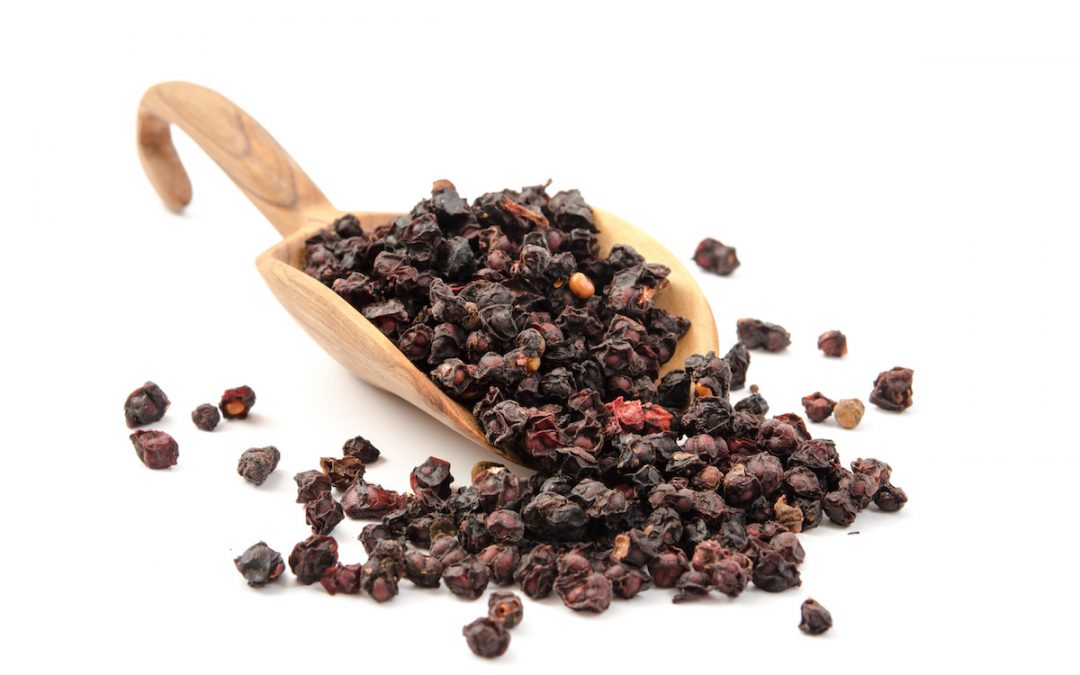
Most adaptogens stimulate the nervous system in a similar fashion to coffee. Well-known stimulating adaptogens include Schisandra (Schisandra chinensis), Eleuthero (Eleutherococcus senticosus), Rhodiola (Rhodiola rosea), American Ginseng (Panax quinquefolius), and Korean Ginseng (Panax ginseng). When we refer to an herb as “stimulating,” this means (in a nutshell) that it increases sympathetic nervous system activity while decreasing parasympathetic nervous system activity. The sympathetic nervous system controls our “fight or flight” responses, and when we are already enduring long term stress, it is likely that our sympathetic nervous system is already in overdrive. When we give stimulants to a person who is in sympathetic nervous excess, they may experience temporary relief of their symptoms. However, in my experience this is ALWAYS short lived and has diminishing returns. Eventually the symptoms return and are stronger than before.
As an herbalist, I am always looking to help people find balance. Stress is a state of systemic imbalance. Giving someone a stimulant when they’re dealing with chronic stress runs the risk of masking the root causes of their issues. It also risks causing physical burnout, which will exacerbate whatever issues the person has going on. I try to get my chronically stressed clients to avoid all stimulants, including stimulating adaptogens. In fact, I do not call these herbs adaptogens at all. I call them stimulants, which is what they were called in the Russian literature prior to the term “adaptogen” being coined in 1948.
Now it is true that there are herbs called relaxing adaptogens. Two well-known herbs in this category are Ashwagandha (Withania somnifera) and Holy Basil (Ocimum tenuiflorum). These herbs tonify and balance nervous system activity and help us to build resiliency to stress over time. While they are helpful for chronic stress, they are not permanent solutions to chronic stress. Nervines and sedatives can also be helpful in the short term – but again, these are bandaids, not cures. When helping someone with chronic stress, it is essential to identify the root causes of stress and address them. If we do not do this, we are simply treating symptoms and potentially making things worse.
One last piece of advice regarding herbal terminology in the Western world. Herbalism is a practice that is thousands of years old. Many cultures have a living tradition of herbalism that has been in practice for millennia. In the West, we do not, because the Catholic Church brutally destroyed the practice as it consolidated power after the fall of the Roman Empire (600 ad-1700). As such, when you hear a catchy term like “adaptogen,” try to find out where and how the herbs in question have been used in systems that have been around for long periods of time. Researching the herbs’ use in Traditional Chinese Medicine is very helpful for this, because they have a large herbal materia medica that has been in use for thousands of years. When you look at how stimulating adaptogens are used in TCM, you find that they are used in small doses, usually as part of a formula and usually in the short term. In the West, we often forget to consider the wisdom of the rest of the world. This is to our own detriment and I find that we would do well to remember this daily in our own practice of herbalism.
**One final piece of very important information to know about herbalists is that we are NOT doctors. We are not allowed to diagnose any condition or prescribe any medication. My services are never meant to replace that of a medical doctor, and I will never suggest you leave your physician’s care or stop taking a medication without first consulting them. **